




Preventive Dentistry
With the comprehensive array of preventive dental care options available here at Pomerado Cosmetic Dentistry, our dentists can help you maintain both the health and appearance of your teeth and gums. We utilize state-of-the-art technology combined with the skills of our experienced dental professionals to address existing concerns and identify signs of problems that may get worse if not promptly treated. We also offer a number of treatments that can help reduce the chance of serious dental issues occurring in the future. Our goal is to keep your teeth and gums healthy, strong, and free from decay or disease.
Below, you will find descriptions of some of our preventive dentistry options. If you have questions, we invite you to contact us today for more information or to schedule an appointment.
I have been a patient for 21 years and I travel from Chula Vista because Pomerado Cosmetic Dentistry is the best. They have been treating my entire family as well. The office staff, technicians, and dentists are exceptional. I always trust their advice and I have healthy teeth and gums.
Claudia Judge
March 11, 2017
- Oral Exams and Dental Cleanings
- Oral Hygiene
- Oral Cancer Screening
- Dental Emergencies
- Family Dentistry
- Pediatric Dentistry
- Dental Care for Seniors
- Shield Force® Plus Bonding Desensitizer
- Proclaim™ Custom-Jet Oral Health System
- Infection Control
- Sealants
- OraVerse®
- Mercury-Free Dentistry
- Salivary Diagnostics
Oral Exams and Dental Cleanings
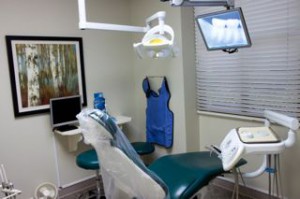 Regular oral exams and professional teeth cleanings are vital components to maintaining good oral health and overall health. Once your teeth and gums are evaluated by our dental team, we can talk with you about any issues that may have been identified and recommend treatment options that can address them. Following the exam, we can give your teeth a thorough cleaning utilizing professional techniques that take a number of issues into account. Our professional cleanings can include perio charting, a thorough cleaning of the teeth, a screening for oral cancer, laser treatment to reduce bacteria (if necessary), a blood pressure evaluation, instructions to improve oral hygiene, and even a package of oral care amenities to take home that can help you with your daily dental health regimen.
Oral Hygiene
When it comes to overall oral hygiene, a few simple steps each day can greatly reduce the risk of developing serious dental concerns. The team at Pomerado Cosmetic Dentistry makes it a point to provide comprehensive patient education that can help you maintain the best possible oral hygiene habits. We can talk with you about optimal brushing and flossing methods, as well as the importance of having routine check-ups and teeth cleanings to prevent major problems from emerging later on. We want to ensure your smile is healthy and beautiful long into the future!
Oral Cancer Screening
Since oral cancer can lead to life-threatening health risks, it is vitally important that you receive regular check-ups for any irregularities. Early diagnosis and treatment is key to reducing those risks – in fact, it’s been shown that early treatment can result in an 80 to 90 percent chance of survival. That’s why we make oral cancer screening a regular part of our exams here at Pomerado Cosmetic Dentistry. To enhance detection, we use the advanced ViziLite® oral lesion screening system, which helps identify abnormal tissue that may not be visible to the naked eye. It’s recommended that you have at least two oral exams each year, and that you seek an immediate evaluation if you notice any irregularities in your mouth. However, please remember that oral cancer does not typically display symptoms in the early stages, making it crucial for you to have regular oral exams.
Dental Emergencies
A dental emergency, such as a damaged or missing tooth, severe pain, or other urgent concern, can often elicit panic if you are unsure of how to handle the situation. Our team of skilled dental professionals is here to help. We understand that you will likely need a quick evaluation and treatment plan in the event of a dental emergency. Our goal is to get you the best possible care, either through our office or a specialist who can work efficiently to address the problem.
Learn More About Dental Emergencies
Family Dentistry
The term “family dentistry” typically refers to a field of dentistry that encompasses a comprehensive range of dental care options for patients of virtually all ages. Family dental care treatments are primarily those that are designed to help patients prevent future problems and maintain their oral health; however, a number of cosmetic and restorative procedures may fall under the “family dentistry” category, as well. Our wide range of pediatric and family dental care services limits the need for parents to bring their children to multiple, unfamiliar practices. Rather, children can get to know our friendly staff, who can provide them with excellent oral care and dental education as they grow up. We strive to make our office a warm, comfortable environment for kids and adults alike.
Learn More About Family Dentistry
Pediatric Dentistry
We are happy to offer pediatric services at our dental practice. To help your child become accustomed to our office, we try to approach their treatment in a fun and creative way, while still being thorough and effective. Our goal is to put children at ease and create a space they feel comfortable being in. Our pediatric dental treatments range from cleanings and exams to preventative care and many others.
Learn More About Pediatric Dentistry
Dental Care for Seniors
As the body ages, a decline in the health of one’s teeth and gums is very common. This deterioration can manifest in various forms, including tooth discoloration, gum disease, and decaying teeth. Our dental practice offers a variety of treatments to help senior patients gain control of their oral health, and we work with them to uncover issues that may not be quite so obvious. Above all, we treat each of our patients with kindness and respect so that every visit with our team can be a positive experience.
Learn More About Dental Care for Seniors
Shield Force® Plus Bonding Desensitizer for Sensitive Teeth
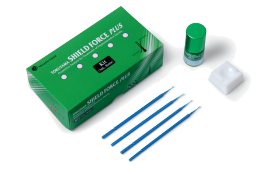 Gum recession and other conditions can cause many individuals to experience tooth pain and sensitivity, which can make eating delicious ice cream, drinking coffee, or partaking in other foods and beverages that are too hot or too cold an uncomfortable experience. The innovative Shield Force® Plus Desensitizer treatment can provide long-lasting relief from this very common concern. Shield Force® Plus is a quick in-office procedure designed to provide a protective barrier for the affected teeth and to reduce sensitivity. A small amount of dental resin will be applied to the tooth and bonded with a special light, which hardens the resin and “shields” the tooth from extreme temperatures. The treatment involves no needles or drilling, and it typically takes only a minute to complete. The results from Shield Force® Plus can last up to three years. This procedure can also be useful for reducing the effects of hypersensitive dentin in patients who are undergoing dental restorations.
Proclaim™ Custom-Jet Oral Health System
Innovative Proclaim™ technology is designed for at-home use and involves the once-a-day application of a custom-made mouthpiece to help eliminate food and bacteria in areas that are challenging to reach with brushing and traditional flossing. Proclaim™ is often described as an upgraded water flosser; however, it is different from standard water flossers in that the customized mouthpiece can comprehensively rinse the teeth and gums with simultaneous water pulses. During the appointment, the patient’s mouth will be scanned and the results will be sent to Proclaim™ to create the custom mouthpiece, which will then be sent to the patient once it has been created. The mouthpiece features 60 waterjets, pulsed through the Proclaim™ Hydro Station, that target the areas between the teeth and under the gumline. The daily process takes just seven seconds to complete.
This precise, automated, upgraded mouth rinse can be especially beneficial for patients struggling with gum disease, ultimately helping to keep teeth clean, reduce bleeding from the gums, and improve overall oral health. When combined with a regular dental hygiene routine, patients can see professional-level teeth cleaning from the comfort of their own home.
Infection Control
Our practice utilizes comprehensive infection controls and precautions to give you the safest possible treatment in a clean and professional environment. All of our team members follow the standards established by the Occupational Safety & Health Administration (OSHA), the Centers for Disease Control (CDC), and the Environmental Protection Agency (EPA). We use advanced technologies such as the autoclave to kill bacteria and viruses with heat, steam, and pressure. We also sterilize all of our reusable equipment before each use, use disposable materials when possible, wear gloves and face masks, and liberally disinfect all countertops and surfaces.
Sealants
Dental sealants are typically quick treatments that can help to prevent cavities and decay from developing on the back teeth. A strong plastic material is placed over the chewing surfaces to guard against bacteria forming in the crevices between the teeth. This ultimately reduces the potential for harmful bacteria to cause damage to the teeth that will require more extensive treatment later.
Sealants are often ideal treatments for children, working to protect their teeth from harm for years.
OraVerse®
 OraVerse® is a new dental treatment that can significantly reduce the time you spend feeling numb after procedures. While local anesthetic does a remarkable job at preventing you from feeling discomfort during a procedure, the fact is that it can often take hours to wear off. OraVerse® can diminish the effects of the anesthetic to about half the time it usually takes, helping you to smile, chew, and speak more comfortably in a much faster timeframe.
Mercury-Free Dentistry
Pomerado Cosmetic Dentistry is committed to providing treatments utilizing materials that are completely free of mercury. In the past, materials used in teeth fillings often contained small amounts of mercury, a substance that has been found to potentially pose both health and environmental risks. By using composite resin filling materials, we have eliminated mercury-based materials from our practice.
Salivary Diagnostics
Salivary diagnostics with OralDNA® is an advanced, non-invasive testing method that analyzes a patient’s saliva to evaluate oral and overall health. In preventive dentistry, it helps identify risk factors for conditions such as tooth decay, gum disease, and oral infections before symptoms may become obvious. By measuring things such as bacteria levels, pH balance, inflammatory markers, and genetic predispositions, salivary testing allows our dentists to create more personalized, proactive treatment plans. This early detection supports better long-term outcomes and helps patients maintain a healthier smile.
Contact Pomerado Cosmetic Dentistry
If you would like more information on our general dental care procedures, or if you would like to schedule an appointment here at our practice, please contact Pomerado Cosmetic Dentistry today.

Facebook Fan
Others Are Saying